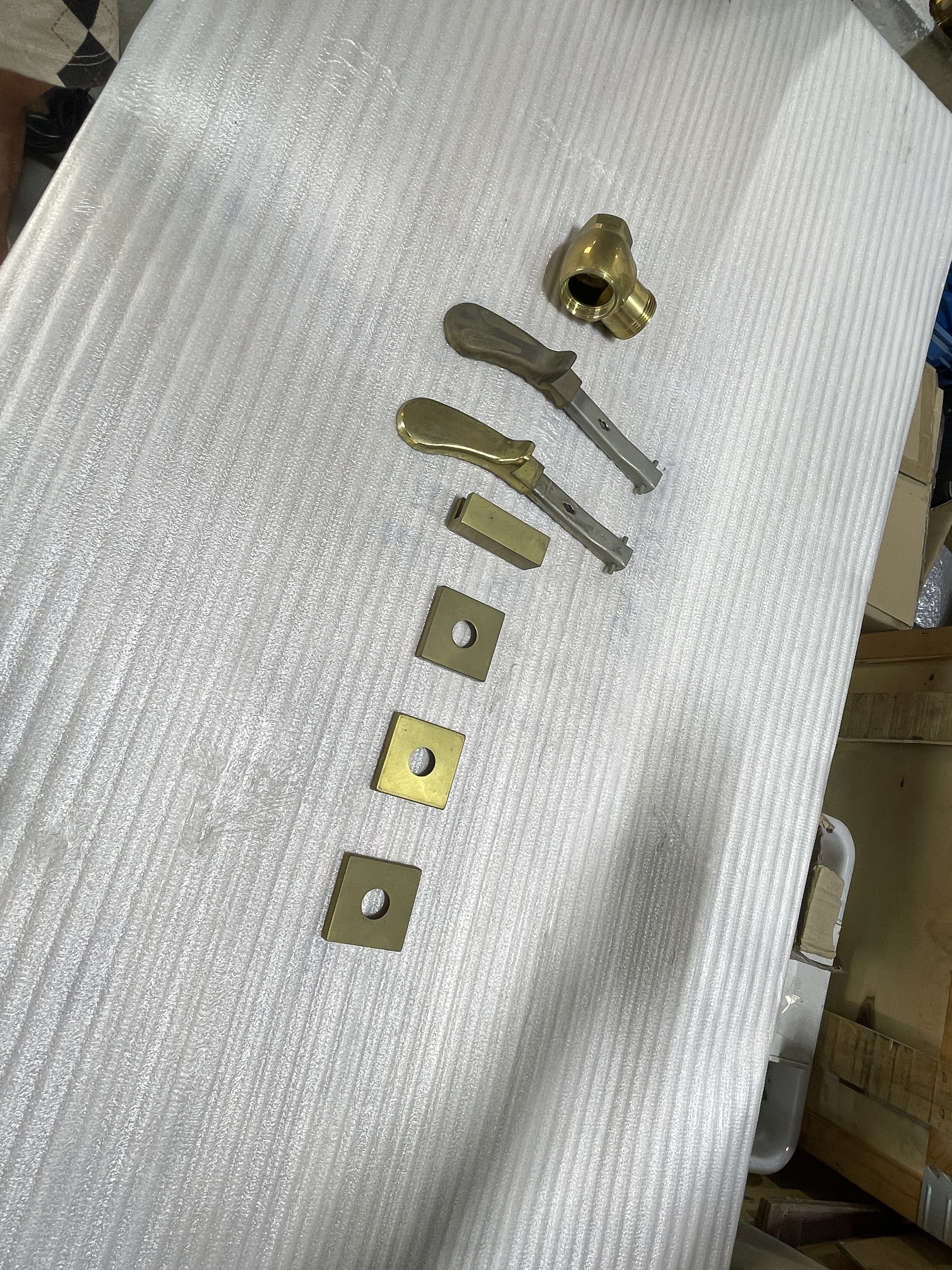
Surface Defect Reduction Robotic Finishing System For Sanitary Ware
Improve Sanitary Ware Surface Quality with Robotic Finishing
The Surface Defect Reduction Robotic Finishing System for Sanitary Ware is designed for manufacturers that need to improve appearance consistency and reduce surface-related quality issues during metal finishing.
Sanitary products such as faucets, fittings, and bathroom components often require high visual standards. Minor scratches, uneven finishing, surface marks, or inconsistent polishing results can lead to additional correction work or product rejection.
By introducing robotic finishing, manufacturers can create a more controlled process for surface refinement and quality improvement.
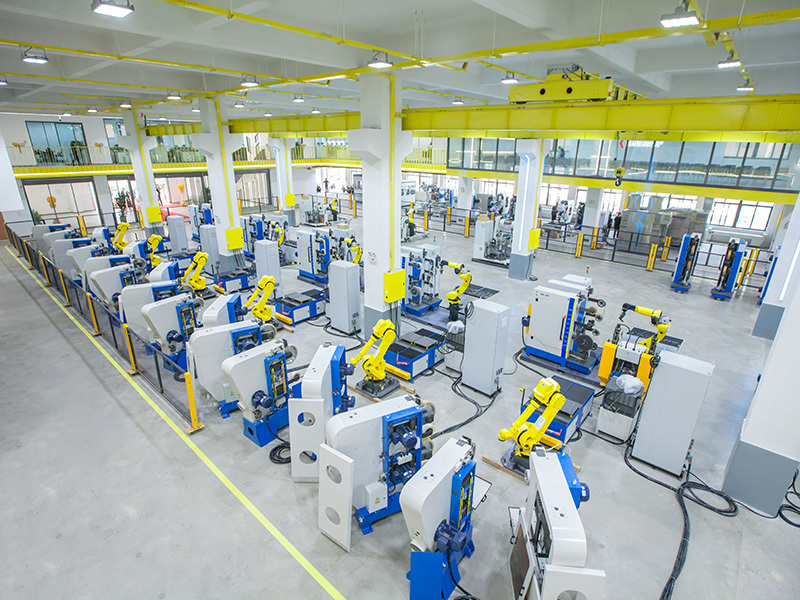
Reduce Common Surface Appearance Problems
During manual finishing, surface defects may occur due to differences in operator technique, polishing pressure, processing time, or tool movement.
The robotic finishing system helps address issues such as:
- Uneven surface gloss
- Visible polishing marks
- Local rough areas
- Inconsistent finishing patterns
- Minor surface imperfections
- Repeated manual correction
Through programmed processing paths and controlled finishing parameters, the system helps manufacturers achieve more stable results across production batches.
Applications in Sanitary Ware Manufacturing
The robotic finishing system can be applied to various sanitary products, including:
- Brass faucets
- Stainless steel faucets
- Shower components
- Bathroom accessories
- Valve bodies
- Sanitary fittings
- Decorative metal parts
- Bathroom hardware
It can support different finishing requirements depending on the product material, surface condition, and final appearance standard.
Improve First-Time Quality Rate
In sanitary ware production, surface inspection often happens near the end of the manufacturing process.
When defects are found at this stage, manufacturers may need to:
- Return products for additional polishing
- Spend extra labor on correction
- Delay shipment schedules
- Increase production costs
A robotic finishing process helps move quality control earlier by creating a more repeatable surface treatment method before final inspection.
Manufacturing → Robotic Finishing → Cleaning → Surface Inspection → Plating / Coating / Assembly

Consistent Finishing for Different Product Models
Sanitary ware manufacturers often produce multiple product series with different shapes and surface requirements.
The system can support flexible production through:
- Product-specific polishing programs
- Customized fixtures
- Adjustable finishing parameters
- Different tool selections
- Stored processing recipes
This allows manufacturers to maintain consistent finishing standards across different product models.
Frequently Asked Questions
What surface defects can robotic finishing help reduce?
The system can help reduce suitable surface issues such as uneven polishing, visible marks, rough areas, and inconsistent finishing caused by manual process variation.
Can the system reduce polishing rework?
Yes. By creating a more controlled and repeatable finishing process, manufacturers can reduce the amount of manual correction required after inspection.
Can different products use the same system?
Yes. Compatible product models can use different fixtures and stored robot programs.
What information is needed for evaluation?
Please provide product photos or drawings, material, current surface defects, finishing requirements, production volume, and existing polishing process. Sample parts are also helpful for process testing.
Build a More Stable Sanitary Ware Finishing Process
Surface quality directly affects the appearance and market value of sanitary products.
The Surface Defect Reduction Robotic Finishing System for Sanitary Ware provides manufacturers with a more controlled approach to reduce finishing variation, improve product consistency, and minimize unnecessary rework.
Send us your sanitary ware samples and current surface quality issues. We can evaluate a suitable robotic finishing solution for your production process.